Have you ever wondered why Islam is called a “way of life” and not just a religion?
Many people think religion is only about praying or going to a mosque, but Islam teaches Muslims how to live every single part of their lives.
From waking up in the morning to sleeping at night, Islam gives rules for eating, working, playing, and even being kind to others. Let’s explore why Muslims believe Islam is a complete guide for life!
What Does it mean “Islam is a Way of Life”?
A “way of life” means a set of rules and habits that guide everything you do.
For example, brushing your teeth every morning is a habit for staying healthy. Similarly, Islam teaches Muslims habits like praying five times a day, eating halal food, and sharing with the poor.
These habits are not just for Sundays or special days—they are for every day, everywhere!
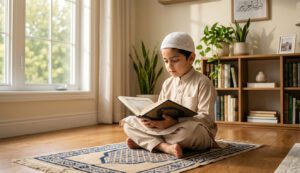
The Quran, Islam’s holy book, says:
“This is a Book We have sent down to you, full of blessings, so let people of understanding ponder its verses” (Quran 38:29).
This means Allah (God) gave the Quran as a guidebook for humans to live happily and peacefully. Prophet Muhammad (peace be upon him) also showed Muslims how to follow this guidebook through his words and actions, called the Sunnah.
Islam’s Core Beliefs: Tawhid, Quran, and Sunnah
Islam is built on five main beliefs, called the Five Pillars of Islam. These are:
- Shahada: Believing in one God (Allah) and Prophet Muhammad as His messenger.
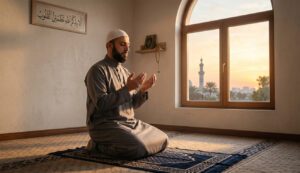
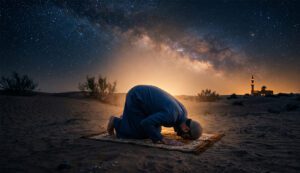
- Salah: Praying five times a day.
- Zakat: Giving charity to the poor.
- Sawm: Fasting during Ramadan.
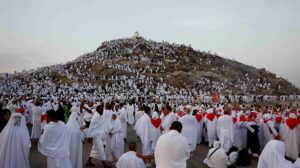
- Hajj: Visiting Mecca once in a lifetime if possible.
The most important belief is Tawhid, which means believing in one God. Muslims believe Allah created everything and knows what is best for humans. That’s why they follow rules from the Quran and Sunnah—to stay close to Allah and live a good life.
Daily Life in Islam
1. Prayers and Worship
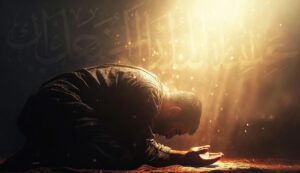
Praying five times a day (Salah) is one of the first things Muslims learn.
It reminds them to thank Allah for blessings like food, family, and health. Before praying, Muslims wash their hands, face, and feet in a ritual called Wudu. This teaches cleanliness and focus.
Prophet Muhammad said:
“The key to Paradise is prayer, and the key to prayer is cleanliness” (Hadith).
2. Halal Food and Healthy Habits
Islam teaches Muslims to eat halal (allowed) food and avoid haram (forbidden) things like pork or alcohol. Halal food is healthy and clean, and Muslims thank Allah before eating by saying “Bismillah” (In the name of Allah).
Allah says in the Quran:
“Eat of the good things We have provided for you” (Quran 2:172).
3. Honesty in School and Work
Islam teaches honesty in every part of life. For example:
- Students should never cheat on tests.
- Sellers should not lie about prices.
- Workers should do their jobs carefully.
Prophet Muhammad was called “Al-Amin” (the Trustworthy) because he always kept his promises.
Family and Community Rules
1. Respecting Parents and Elders
Islam says respecting parents is one of the best deeds. The Quran teaches:
“Your Lord has commanded that you worship none but Him and be kind to parents” (Quran 17:23).
This means helping parents with chores, speaking politely, and caring for them when they’re old.
2. Helping Neighbors and the Poor
Muslims are taught to help others, even with small acts like sharing food or smiling. Prophet Muhammad said:
“He is not a believer whose stomach is filled while his neighbor goes hungry” (Hadith).
Zakat (charity) is a rule in Islam where Muslims give 2.5% of their savings to the poor every year.
3. Justice and Fairness for All
Islam teaches that everyone should be treated fairly, no matter their color, wealth, or religion. Allah says:
“O mankind, indeed We have created you from male and female and made you peoples and tribes that you may know one another” (Quran 49:13).
This means bullying, racism, or hurting others is never allowed in Islam.
Islamic Rules for Modern Problems
1. Avoiding Gossip and Bullying
Gossiping or spreading rumors (called Gheebah in Islam) is haram. The Quran says:
“Do not spy or backbite one another. Would any of you like to eat the flesh of his dead brother?” (Quran 49:12).
Instead, Muslims are taught to speak kindly and stop others from bullying.
2. Staying Away from Drugs and Haram Things
Islam forbids anything that harms the body or mind, like drugs, alcohol, or smoking. Prophet Muhammad said:
“Do not harm yourselves or others” (Hadith).
3. Using Social Media Kindly
Even though social media didn’t exist 1,400 years ago, Islam’s rules still apply! Muslims should avoid lying online, sharing bad photos, or wasting time. Instead, they can use social media to share good deeds or learn about Islam.
Islam’s Solutions for Big World Problems
1. Poverty and Hunger
Islam’s Zakat system ensures rich people help the poor. If everyone followed this rule, hunger could end! Prophet Muhammad said:
“The best charity is giving water to drink” (Hadith).
2. Climate Change and Cleanliness
Islam teaches Muslims to protect the Earth. The Quran says:
“Do not corrupt the Earth after it has been set right” (Quran 7:56).
Planting trees, saving water, and cleaning parks are all Islamic acts.
3. War and Peace
Islam means “peace,” and Muslims are taught to solve fights with words, not weapons. Allah says:
“If two groups of believers fight, make peace between them” (Quran 49:9).
Why Islam Works for Everyone, Everywhere
Islam’s rules are flexible and work in every country and time. For example:
- 1,400 years ago: Muslims in Arabia followed Quranic rules to build a fair society.
- Today: Muslims in America, India, or Africa use the same Quranic rules to live peacefully.
Allah says in the Quran:
“We have sent you (Muhammad) as a mercy to all mankind” (Quran 21:107).
Conclusion
Islam is called a “way of life” because it guides Muslims in everything—from praying and eating to solving big problems like poverty or climate change. The Quran and Sunnah are like a map showing how to live happily in this world and the next. By following Allah’s rules, Muslims believe they can make the world a better place for everyone!