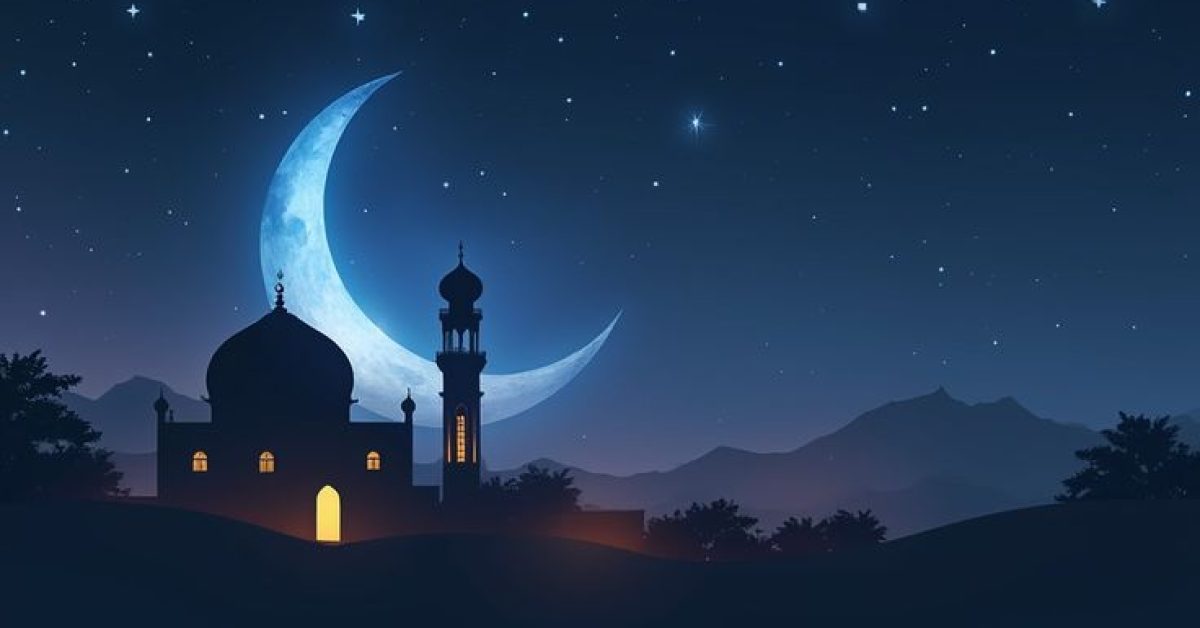
Shab e Barat is a night that touches the hearts of millions of Muslims. From the very start of Shab e Barat, people feel a quiet fear, a soft hope, and a deep need to turn back to Allah. Many ask the same question again and again: Is Shab e Barat the night when Allah decides our fate?
This blog explains Shab e Barat in clear, simple words—based on Quran, authentic Hadith, and the understanding of scholars—so every reader can understand its meaning, its reality, and how to spend it the right way.
What Is Shab e Barat? Understanding the Meaning
Shab e Barat comes from two words:
Shab means night
Barat means freedom or forgiveness
So, Shab e Barat means the night of forgiveness and freedom from punishment.
This blessed night falls on the 15th night of Sha’ban, the eighth month of the Islamic calendar. Many Muslims believe it is a night when Allah’s mercy flows, sins are forgiven, and hearts are turned back toward Him.
Why Is Shab e Barat So Important in Islam?
Shab e Barat is important because it reminds believers of three powerful truths:
Life is temporary
Allah’s mercy is vast
Repentance can change a person’s future
On Shab e Barat, Muslims reflect on their deeds, their prayers, and their connection with Allah. It is not a festival night. It is a night of accountability, hope, and forgiveness.
Is Shab e Barat the Night When Fate Is Decided?
This is one of the most asked questions about Shab e Barat.
What Does the Quran Say?
Many people link Shab e Barat with the verse in Surah Ad-Dukhan:
“On a blessed night, We sent it down. Indeed, We were to warn.” (Quran 44:3)
Some scholars say this “blessed night” refers to Laylatul Qadr, not Shab e Barat. According to strong scholarly opinion, the final decree of destiny is written on Laylatul Qadr, not Shab e Barat.
So What Happens on Shab e Barat?
Scholars explain that on Shab e Barat:
Records may be reviewed
Mercy is spread
Forgiveness is granted
Souls are reminded to return to Allah
It is not a night of final destiny, but a night of preparation, forgiveness, and mercy.
Hadith About Shab e Barat and Allah’s Mercy
Several authentic and Hasan (good) Hadith talk about the virtue of Shab e Barat.
The Prophet Muhammad ﷺ said:
“Allah looks at His creation on the night of the middle of Sha’ban and forgives all His servants except two: one who associates partners with Allah and one who holds hatred in his heart.”
(Reported by Ibn Majah)
This Hadith shows that Shab e Barat is a night of forgiveness, but forgiveness comes with conditions:
Pure belief (no shirk)
Clean heart (no hatred)
How the Prophet ﷺ Spent the Night of Shab e Barat
There is no authentic proof that the Prophet ﷺ celebrated Shab e Barat with special gatherings, lights, or fixed rituals.
However, it is reported that:
He increased voluntary prayers
He made dua
He fasted more in Sha’ban
This teaches a clear lesson:
Shab e Barat is personal, quiet, and sincere.
Correct Way to Worship on Shab e Barat
If someone wants to benefit from Shab e Barat, Islam gives a simple and safe path.
Recommended Acts of Worship
Offer Nafl prayers at home
Make sincere dua
Ask Allah for forgiveness
Recite the Quran calmly
Forgive others from the heart
Optional but Rewarding
Fasting the next day (15th of Sha’ban), as part of general fasting in Sha’ban
Practices to Avoid on Shab e Barat
Many cultural practices are wrongly linked to Shab e Barat. Islam teaches balance.
Avoid:
Fireworks
Loud celebrations
Believing graves “come alive”
Fixed prayers with specific counts
Considering it more important than Laylatul Qadr
Shab e Barat is about humility, not display.
Shab e Barat and Forgiveness of Sins
Shab e Barat reminds Muslims that Allah loves to forgive. But forgiveness is not automatic.
To gain forgiveness on Shab e Barat, a person should:
Make true repentance
Leave sins sincerely
Plan to change behavior
Clear hatred from the heart
Allah’s mercy is close, but hearts must turn toward Him.
Common Misunderstandings About Shab e Barat
1. “All destiny is decided on Shab e Barat”
Not fully correct. The strongest view is that Laylatul Qadr is the night of final decree.
2. “Special prayers are compulsory”
False. No fixed prayer is proven from the Prophet ﷺ.
3. “This night guarantees forgiveness”
Forgiveness depends on belief, intention, and repentance.
How Shab e Barat Prepares Us for Ramadan
One hidden wisdom of Shab e Barat is preparation.
It comes two weeks before Ramadan
It wakes the heart
It pushes believers to fix their lives
It cleans the soul before fasting begins
Those who understand Shab e Barat enter Ramadan with a softer heart and clearer intention.
FAQ: Common Questions About Shab e Barat
Is Shab e Barat mentioned clearly in the Quran?
The name is not mentioned directly, but Hadith support its virtue.
Should graves be visited on Shab e Barat?
Grave visits are allowed anytime, but fixing them only to Shab e Barat has no strong proof.
Is staying awake all night required?
No. Worship according to strength and sincerity.
Can women pray during Shab e Barat?
Yes. Women can pray, make dua, and remember Allah at home.
Is fasting after Shab e Barat Sunnah?
Fasting in Sha’ban is Sunnah in general, including the 15th.
A Gentle Reminder for Every Heart
Shab e Barat is not about fear alone. It is about hope.
Hope that Allah forgives.
Hope that hearts can change.
Hope that tomorrow can be better than yesterday.
At Al-Muslim Quran Academy, students are often reminded that real change begins with understanding nights like Shab e Barat—not through culture, but through knowledge, Quran, and sincere worship.
Conclusion: What Shab e Barat Truly Teaches Us
Shab e Barat teaches Muslims to pause.
To look at their lives.
To clean their hearts.
To ask Allah for another chance.
It is not a night of noise.
It is a night of silence between a servant and his Lord.
If Shab e Barat brings one tear of regret, one sincere dua, or one forgiven heart—then its purpose is fulfilled.
May Allah grant understanding, forgiveness, and guidance to all who seek Him on Shab e Barat. Ameen.