Introduction
Throughout Islamic history, few companions enjoyed as close and intimate a relationship with Prophet Muhammad ﷺ as Anas ibn Malik (RA). From the young age of ten, Anas (RA) had the extraordinary honor of serving the Messenger of Allah ﷺ for ten years. During this entire period, he witnessed firsthand the mercy, kindness, patience, and noble character of the Prophet ﷺ.
The story of Anas ibn Malik (RA) is not merely a historical narrative. It is a timeless lesson about sincere service, obedience, barakah (divine blessings), and the power of heartfelt dua.
One of the most remarkable aspects of Anas’s life was the beautiful supplication that Prophet Muhammad ﷺ made for him—a dua that Allah accepted in extraordinary ways. More than fourteen centuries later, Muslims worldwide continue to recite this blessed supplication, hoping for Allah’s blessings in their own wealth, families, and lives.
For believers seeking authentic Quranic guidance, Islamic supplications, Hadith explanations, and spiritual growth, platforms such as AlMuslimQuran.com serve as valuable resources for strengthening one’s relationship with Allah and understanding the beautiful teachings of Islam.
Who Was Anas ibn Malik (RA)?
Anas ibn Malik ibn Nadr Al-Ansari (RA) was one of the most beloved companions of Prophet Muhammad ﷺ.
He belonged to the noble tribe of Al-Khazraj in Madinah and embraced Islam at a very young age.
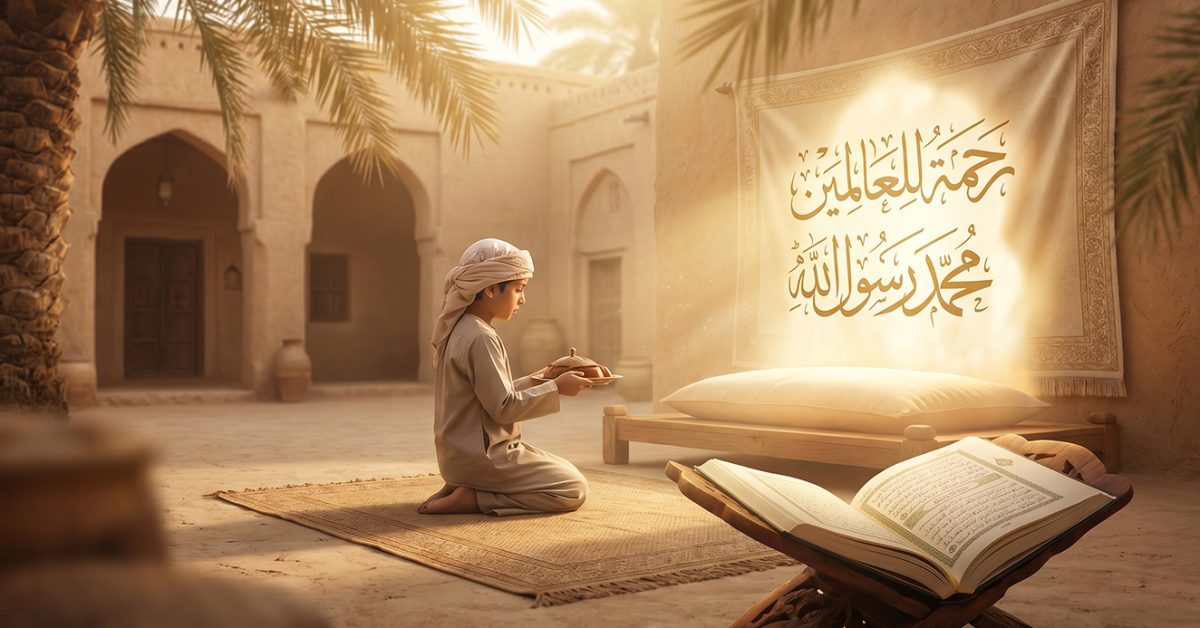
When the Prophet ﷺ migrated to Madinah, Anas’s mother, the noble companion Umm Sulaym (RA), brought her young son to the Messenger of Allah ﷺ and said:
“O Messenger of Allah, there is no man or woman among the Ansar who has not presented you with a gift except me. I have nothing to offer except my son Anas. So accept him to serve you.”
From that day onward, Anas (RA) became the personal attendant and servant of Prophet Muhammad ﷺ.
This service would continue for ten blessed years.
The Extraordinary Character of the Prophet ﷺ
Perhaps one of the most beautiful narrations reported by Anas (RA) concerns how the Prophet ﷺ treated him.
Anas (RA) said:
“I served the Messenger of Allah ﷺ for ten years, and he never once said to me, ‘Uff’ (an expression of annoyance), nor did he ever say to me concerning something I had done, ‘Why did you do that?’ or concerning something I had not done, ‘Why did you not do that?'”
(Sahih al-Bukhari 6038)
Reflect upon this narration carefully.
Ten years.
Not ten days.
Not ten weeks.
Ten complete years.
Never once did the Prophet ﷺ raise his voice in anger.
Never once did he insult, criticize harshly, humiliate, or demean the young Anas.
This narration alone demonstrates why Allah described the Messenger ﷺ:
“And indeed, you are of a great moral character.”
(Quran 68:4)
Today, Muslims studying Islamic parenting, leadership, emotional intelligence, and interpersonal relationships can derive countless lessons from this single hadith.
The Blessed Dua of Prophet Muhammad ﷺ
At the end of his years of service, Prophet Muhammad ﷺ made a special dua for Anas ibn Malik (RA).
The Prophet ﷺ supplicated:
اللَّهُمَّ أَكْثِرْ مَالَهُ وَوَلَدَهُ وَبَارِكْ لَهُ فِيمَا أَعْطَيْتَهُ
Allahumma akthir malahu wa waladahu wa barik lahu fima a’taytah.
Translation:
“O Allah, increase his wealth and his children, and bless for him what You have given him.”
(Sahih al-Bukhari 1982)
This simple yet profound supplication contained three powerful requests:
1. Increase His Wealth
The Prophet ﷺ asked Allah to grant Anas abundant wealth.
2. Increase His Children
The Prophet ﷺ requested that Allah bless Anas with numerous offspring.
3. Place Barakah in What He Receives
Most importantly, the Prophet ﷺ asked Allah to bless whatever He granted Anas.
The request for barakah is perhaps the greatest gift of all.
How Allah Answered the Dua
Allah سبحانه وتعالى accepted every aspect of this blessed supplication.
Abundant Wealth
Anas ibn Malik (RA) became one of the wealthiest companions in Madinah.
Historical reports mention that his agricultural lands produced extraordinary harvests.
His gardens bore fruit twice yearly, something considered unusual in the region.
This was among the manifestations of Allah’s barakah.
Numerous Children
Anas (RA) was blessed with an exceptionally large family.
Some reports mention that he had more than one hundred descendants.
He himself said:
“I have buried one hundred of my children and grandchildren with my own hands.”
This statement demonstrates the immense lifespan and family blessings Allah granted him.
A Long Life Filled with Blessings
Anas ibn Malik (RA) lived beyond one hundred years.
He became among the last surviving companions of Prophet Muhammad ﷺ.
His long life allowed him to transmit thousands of hadiths, benefiting generations of Muslims.
Indeed, Anas (RA) narrated approximately 2,286 Hadiths, making him one of the most prolific narrators in Islamic history.
The Importance of Barakah in Islam
Modern society often measures success solely through numbers:
- Income.
- Assets.
- Followers.
- Possessions.
- Status.
Islam teaches something far greater:
Barakah.
Barakah means divine blessing, increase, goodness, and benefit placed by Allah in something.
A person may possess:
- Little wealth with immense barakah.
- A small home filled with peace.
- Few possessions but tremendous contentment.
Another person may possess millions yet feel constant dissatisfaction.
The Prophet ﷺ understood that true success is not merely abundance.
It is abundance accompanied by barakah.
This is why Muslims should frequently ask Allah for barakah in:
- Wealth.
- Children.
- Health.
- Time.
- Knowledge.
- Family.
- Business.
- Rizq.
At AlMuslimQuran.com, Muslims can find authentic Islamic duas and Quranic supplications that nurture spiritual growth and invite Allah’s blessings into daily life.
Lessons from the Life of Anas ibn Malik (RA)
1. Sincere Service Leads to Great Rewards
Anas (RA) devoted his youth to serving Islam and the Messenger ﷺ.
He served sincerely without seeking fame or worldly recognition.
Allah rewarded him abundantly.
This teaches Muslims that sincere service for Allah never goes unnoticed.
Allah says:
“Indeed, We never allow the reward of those who do good to be lost.”
(Quran 18:30)
Whether serving:
- Parents.
- Family.
- Community.
- Masjid.
- Students.
- Humanity.
Allah rewards sincere efforts.
2. Good Character Leaves Lasting Legacies
The Prophet’s ﷺ treatment of Anas remains a shining example for all generations.
Parents, teachers, employers, and leaders should reflect:
How do we treat those under our care?
Do we display mercy?
Patience?
Compassion?
The Sunnah demonstrates that kindness produces loyalty, love, and long-lasting impact.
3. Never Underestimate the Power of Dua
The story of Anas illustrates the transformative power of supplication.
Dua is among the strongest weapons of a believer.
Allah says:
“Call upon Me; I will respond to you.”
(Quran 40:60)
Muslims should never lose hope in Allah’s mercy.
No request is too great for Allah.
Why Should Muslims Recite This Dua Today?
The blessed dua of Prophet Muhammad ﷺ remains highly relevant.
Modern Muslims face:
- Financial struggles.
- Family challenges.
- Economic uncertainty.
- Rising living costs.
This Prophetic supplication seeks exactly what many families desire:
- Halal wealth.
- Righteous offspring.
- Divine blessings.
Reciting this dua daily with sincerity can strengthen one’s connection with Allah and cultivate hope.
The Dua
اللُّهُمَّ أَكْثِرْ مَالِي وَوَلَدِي وَبَارِكْ لِي فِيمَا أَعْطَيْتَنِي
Allahumma akthir mali wa waladi wa barik li fima a’taytani.
Meaning:
“O Allah, increase my wealth and my children and bless what You have given me.”
Believers may recite this dua for:
- Themselves.
- Spouses.
- Children.
- Parents.
- Family members.
Serving Islam in Modern Times
Not everyone can physically serve Prophet Muhammad ﷺ as Anas did.
However, every Muslim can still serve Islam by:
- Teaching Quran.
- Supporting Islamic education.
- Sharing authentic Islamic knowledge.
- Helping others learn Islam.
- Assisting the needy.
- Supporting Islamic organizations.
Websites such as AlMuslimQuran.com contribute significantly by providing accessible Quran learning, Tafsir, Islamic articles, authentic duas, and valuable spiritual resources for Muslims worldwide.
Supporting and benefiting from such efforts represents a meaningful form of service to Islam.
The Role of Quran and Sunnah in Seeking Barakah
The Quran repeatedly teaches believers to seek Allah’s blessings through:
Istighfar
Allah says:
“Seek your Lord’s forgiveness. Indeed, He is Ever Forgiving. He will send rain upon you in abundance and increase you in wealth and children.”
(Quran 71:10-12)
Taqwa
Allah says:
“And whoever fears Allah – He will make for him a way out and provide for him from where he does not expect.”
(Quran 65:2-3)
Gratitude
Allah says:
“If you are grateful, I will surely increase you.”
(Quran 14:7)
These Quranic principles remain essential pathways to barakah.
A Legacy That Continues Today
More than 1400 years later, Muslims continue studying hadith narrated by Anas ibn Malik (RA).
His service benefited not only his own generation but the entire Ummah.
This demonstrates another profound lesson:
Sincere actions performed for Allah can continue benefiting people long after one’s death.
The Messenger of Allah ﷺ said:
“When a person dies, his deeds come to an end except for three: ongoing charity, beneficial knowledge, or a righteous child who prays for him.”
Anas (RA) achieved all three.
Conclusion
The story of Anas ibn Malik (RA) beautifully illustrates the rewards of sincere service, excellent character, and heartfelt dua.
A young boy who devoted himself to serving Prophet Muhammad ﷺ received extraordinary blessings that lasted an entire lifetime.
Yet the greatest lesson is not merely seeking someone else’s dua.
The true lesson is sincerity.
Serve Allah sincerely.
Serve people genuinely.
Love Islam deeply.
Ask Allah directly.
The same Allah who answered the dua of Prophet Muhammad ﷺ in Madinah over fourteen centuries ago continues to answer sincere prayers today.
May Allah increase our wealth in halal ways, bless our families, place barakah in our lives, and make us among those who sincerely serve His religion.
Ameen.