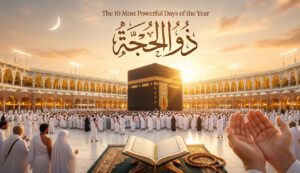
The Kaaba is one of the most iconic and sacred structures in the world. Located in the heart of the Grand Mosque in Mecca, Saudi Arabia, it is the holiest site in Islam. Every day, millions of Muslims around the globe turn toward the Kaaba during their prayers. But what makes this simple, cube-shaped building so special? Why is it so important to Muslims?
In this article, we will explore the significance of the Kaaba in Islam. We’ll look at its history, its spiritual meaning, and its role in Islamic worship. By the end, you’ll understand why the Kaaba is more than just a building—it is a powerful symbol of faith, unity, and devotion to Allah.
What is the Kaaba?
The Kaaba is a small, cube-shaped structure made of stone. It stands about 43 feet tall and is covered with a black cloth called the Kiswah. The Kiswah is made of silk and gold and is replaced every year. Inside the Kaaba, there is a small room, but only a few people are allowed to enter.
The Kaaba is located in the center of the Grand Mosque in Mecca. It is the holiest site in Islam and is often referred to as the House of Allah. Muslims believe it was built as a place of worship for Allah alone.
The Kaaba is not just a physical structure; it is a spiritual focal point for Muslims around the world. No matter where they are, Muslims face the Kaaba during their daily prayers. This direction is called the Qibla. Facing the Kaaba helps Muslims feel connected to Allah and to each other.
History of the Kaaba
The Kaaba has a long and fascinating history. According to Islamic tradition, the Kaaba was first built by Prophet Ibrahim (Abraham) and his son Prophet Ismail (Ishmael). They built it as a place to worship Allah. Over time, however, people forgot its purpose and began to worship idols inside it.
When Prophet Muhammad was born, the Kaaba was filled with idols. After he received the message of Islam, he removed the idols and restored the Kaaba as a place of worship for Allah alone. This act marked the return of the Kaaba to its original purpose as a symbol of monotheism, or the belief in one God.
The Kaaba has undergone several renovations over the centuries. It has been damaged by floods and fires, but each time it has been rebuilt. Today, it stands as a testament to the enduring faith of Muslims around the world.
Spiritual Significance of the Kaaba
The Kaaba is much more than just a building; it is a powerful symbol of faith and unity. For Muslims, it represents the oneness of Allah and the unity of the Muslim community.
One of the most important aspects of the Kaaba is its role as the Qibla, or the direction of prayer. No matter where they are in the world, Muslims face the Kaaba during their daily prayers. This act of facing the Kaaba helps Muslims feel connected to Allah and to each other. It is a reminder that all Muslims are part of one global community, united in their faith.
The Kaaba is also a symbol of humility. Despite its simple appearance, it holds immense spiritual significance. It reminds Muslims that true greatness comes from faith and devotion, not from material wealth or power.
The Kaaba and Islamic Worship
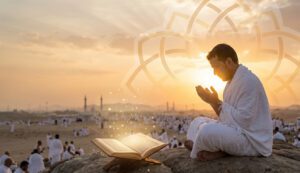
The Kaaba plays a central role in Islamic worship. It is the focal point of the Hajj pilgrimage, which is one of the Five Pillars of Islam. Every year, millions of Muslims travel to Mecca to perform Hajj. During Hajj, they walk around the Kaaba seven times in a ritual called Tawaf. This act symbolizes the unity of Muslims and their devotion to Allah.
In addition to Hajj, the Kaaba is also central to the Umrah pilgrimage. Umrah is a smaller pilgrimage that can be performed at any time of the year. Like Hajj, it involves Tawaf and other rituals that revolve around the Kaaba.
The Kaaba is also a place of prayer and reflection. Many Muslims visit the Kaaba to pray and seek forgiveness. It is believed that prayers made near the Kaaba are especially powerful.
The Black Stone and Other Features
One of the most famous features of the Kaaba is the Black Stone. It is embedded in one corner of the Kaaba and is surrounded by a silver frame. Muslims believe the Black Stone came from heaven and was placed in the Kaaba by Prophet Ibrahim.
During Tawaf, pilgrims try to touch or kiss the Black Stone as a sign of respect. While it is not obligatory to touch or kiss the stone, many pilgrims do so as a way of connecting with the history and spirituality of the Kaaba.
The Kaaba is covered with a black cloth called the Kiswah. The Kiswah is made of silk and gold and is replaced every year. It is embroidered with verses from the Quran and is a symbol of the reverence and respect Muslims have for the Kaaba.
Inside the Kaaba, there is a small room with simple decorations. Only a few people are allowed to enter, and it is not open to the public. The interior of the Kaaba is a place of great spiritual significance, and those who enter it often describe feeling a deep sense of peace and connection to Allah.
The Kaaba in the Quran
The Kaaba is mentioned several times in the Quran, the holy book of Islam. In one verse, Allah says, “Indeed, the first House [of worship] established for mankind was that at Makkah—blessed and a guidance for the worlds” (Quran 3:96). This verse highlights the importance of the Kaaba as a place of worship and guidance for all of humanity.
Another verse describes the Kaaba as a safe and sacred place: “And [mention] when We made the House a place of return for the people and [a place of] security” (Quran 2:125). This verse emphasizes the Kaaba’s role as a place of refuge and spiritual connection.
The Quran also mentions the story of Prophet Ibrahim and Prophet Ismail building the Kaaba. This story is a reminder of the Kaaba’s origins and its significance as a symbol of monotheism.
The Kaaba as a Symbol of Unity
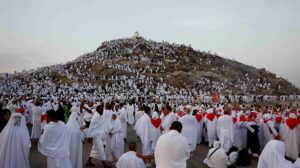
One of the most powerful aspects of the Kaaba is its ability to unite Muslims from all over the world. Every year, millions of Muslims from different countries, cultures, and backgrounds come together in Mecca to perform Hajj.
During Hajj, they all wear simple white garments and perform the same rituals, symbolizing the equality and unity of all Muslims.
The Kaaba also serves as a unifying force in daily life. No matter where they are, Muslims face the Kaaba during their prayers. This act of facing the same direction helps Muslims feel connected to each other and to Allah.
In a world that is often divided by differences, the Kaaba is a powerful reminder of what unites us. It is a symbol of faith, humility, and the shared values that bring people together.
Kaaba and Modern Life
In today’s fast-paced world, the Kaaba remains a source of inspiration and spiritual connection for Muslims. It is a place where people can step away from the distractions of daily life and focus on their relationship with Allah.
For many Muslims, visiting the Kaaba is a lifelong dream. It is a chance to experience the beauty and spirituality of Islam in a profound and meaningful way. Even for those who cannot visit the Kaaba, it serves as a powerful symbol of faith and devotion.
The Kaaba also reminds Muslims of the importance of humility and gratitude. It is a simple structure, but it holds immense spiritual significance. It teaches us that true greatness comes from faith and devotion, not from material wealth or power.
Conclusion
The Kaaba is much more than just a building; it is a powerful symbol of faith, unity, and devotion to Allah. It connects Muslims to their history, their Creator, and to each other. By facing the Kaaba during prayer and visiting it during Hajj, Muslims show their love for Allah and their commitment to Islam.
The Kaaba is a reminder of what it means to be a Muslim. It is a symbol of humility, unity, and the enduring power of faith. Whether you are a Muslim or simply curious about Islam, the Kaaba is a powerful reminder of the beauty and depth of this faith.