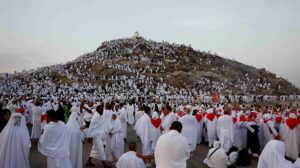
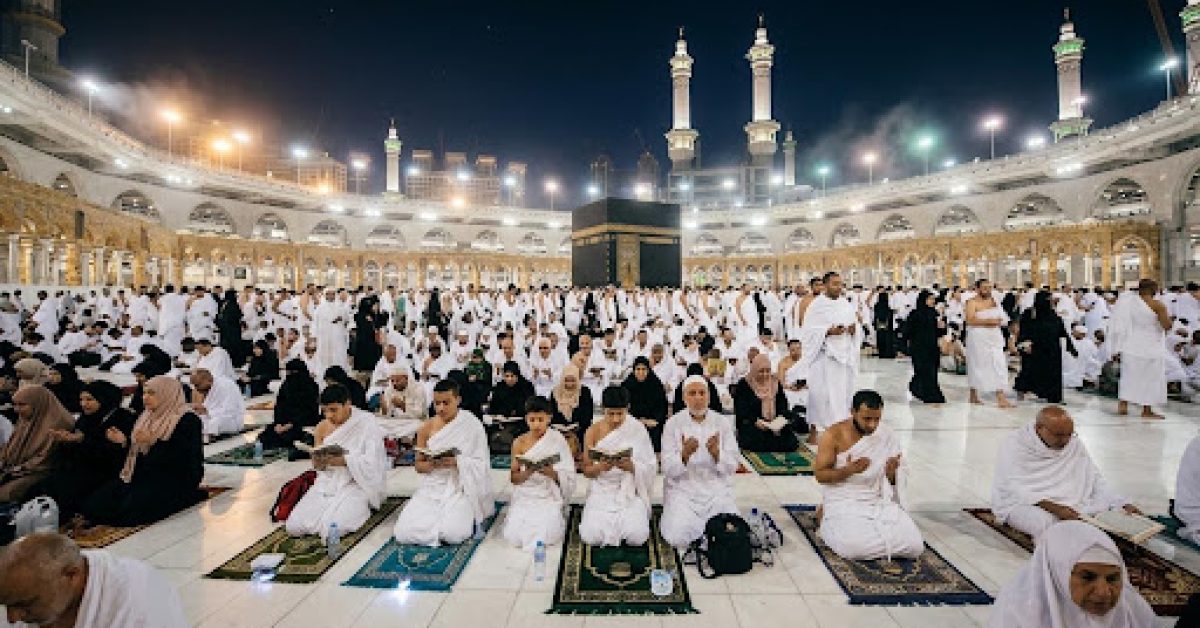
For a Muslim, there may be no more precious time and place than the last ten nights of Ramadan spent at the Haram in Makkah. These are the nights the whole month has been building towards, when the Night of Power lies hidden among them, and to seek it within sight of the Kaaba is a hope that draws believers from every corner of the earth. It was on this blessed night that the revelation of the Qur’an first began, which gives a pilgrimage at this time a depth that words struggle to capture. Fasting by day and standing in prayer by night, surrounded by the House of Allah, many pilgrims describe these as the most powerful days of their lives.
Because these are the most sought-after nights of the year, planning cannot be left until the last moment. Pilgrims usually book Umrah Packages from UK many months ahead, since the flights and the hotels closest to the Haram are taken first and prices climb sharply as Ramadan approaches. With the arrangements settled early, you are free to give these final nights entirely to worship, to prayer, to dua and to the Qur’an, rather than to logistics. This article looks at what makes the last ten nights so special, and how to make the very most of them if you are blessed to go.
Why the last ten nights matter most
The Prophet, peace be upon him, gave the final third of Ramadan a weight unlike any other part of the year. Aisha, may Allah be pleased with her, reported that when the Last Ten Nights of Ramadan began, he would tighten his waist belt, stay awake through the night in worship, and wake his family to pray. He would also perform i’tikaf, secluding himself in the mosque for these nights and devoting himself entirely to Allah. The Companions followed this practice closely, treating the last ten nights quite differently from the rest of the month. To spend these nights at the Haram is to step into that same living tradition, joining hundreds of thousands in long night prayers as the imams recite by the Kaaba until the approach of dawn.
Seeking Laylatul Qadr, the Night of Power
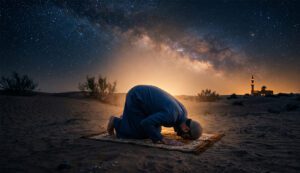
At the very heart of these nights is Laylatul Qadr, the Night of Power, which the Qur’an describes as better than a thousand months. A single night of sincere worship in it outweighs a lifetime of ordinary devotion. Its exact date is deliberately hidden, but the Prophet taught us to seek it in the odd nights of the last ten: the twenty-first, twenty-third, twenty-fifth, twenty-seventh and twenty-ninth. When Aisha asked the Prophet what she should say if she found this night, he taught her a short and beautiful supplication: “Allahumma innaka ‘afuwwun tuhibbul-‘afwa fa’fu ‘anni,” meaning “O Allah, You are Most Forgiving, and You love forgiveness, so forgive me.” Learn it by heart and repeat it often across all ten nights, for the night is hidden precisely so that we strive throughout.
Planning a last-ten-nights Umrah
Getting the timing and the arrangements right takes real foresight, more so than any other Umrah. Demand for this precise window is higher than at any other point in the calendar, which is why Last 10 days Ramadan Umrah Packages from UK are often booked close to a year in advance, with the nearest hotels and the best flights disappearing first of all. When choosing a package, look for genuine financial protection such as ATOL cover, and an operator approved by the Saudi Ministry of Hajj and Umrah, so that your money and your trip are secure. Consider carefully how many of the ten nights you wish to be present for, and whether you hope to be at the Haram for the likely odd nights in particular. The earlier you book, the more choice you will have over a hotel within easy walking distance of the mosque, which makes an enormous difference when you are praying deep into the night and returning to rest before suhoor.
The Qur’an at the heart of these nights
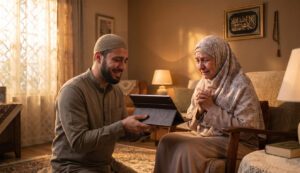
Since the Qur’an was revealed in this blessed season, the last ten nights are, above all else, a time to draw close to the Book of Allah. Many pilgrims set themselves the goal of completing a full reading, a khatm, during their stay, while others prefer to recite less but with deeper reflection and understanding. To listen to the long Qiyam prayers at the Haram, where an imam may recite entire portions of the Qur’an in a single standing, is a profoundly moving experience that stays with you for years. This is where preparation in the months beforehand truly pays off. Strengthening your Tajweed, and committing even a few more surahs to memory, allows you to take a fuller part and to pray with far greater presence of heart. Time spent learning the Qur’an at home is never wasted; it comes into full bloom on nights such as these.
Making the most of your worship
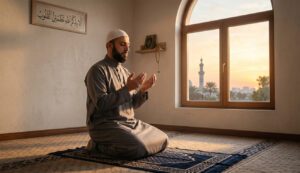
A little planning helps you sustain worship through such demanding Last Ten Nights of Ramadan. Rest well during the day so that you have the strength for the night prayers, eat and drink wisely at suhoor and iftar, and pace yourself rather than exhausting your body on the very first night. Divide your nights thoughtfully between prayer, recitation, dua and quiet reflection, and keep returning to the supplication of Laylatul Qadr. Give in charity wherever you can, for good deeds on this night carry immense reward. And do not neglect your own personal duas: ask for yourself, for your parents, for your children and for the whole Ummah, for these are hours when hearts are at their softest and hopes at their highest before Allah.
A season that shapes the whole year
There is truly nothing quite like the last ten nights of Ramadan at the Haram. The reward, the nearness of the Qur’an, the hope of Laylatul Qadr, and the sight of the Kaaba as you stand in prayer all come together in a way that is found nowhere else on earth. For those who are able to go, it can be a turning point that shapes the whole year that follows, and often the years far beyond it. Prepare early, learn what you can of the Qur’an and of the sunnah of these nights, and travel with a sincere and humble heart. May Allah allow you to stand in the Haram on the Night that is better than a thousand months, and may He accept it from you.
Common questions about the last ten nights of Ramadan
What are the last ten nights of Ramadan?
They are the final third of the month, the period in which Laylatul Qadr is sought and in which the Prophet, peace be upon him, intensified his worship and performed i’tikaf. Muslims devote these nights to prayer, recitation and dua.
What is Laylatul Qadr?
Laylatul Qadr, the Night of Power, is described in the Qur’an as better than a thousand months, and it was the night the revelation of the Qur’an began. It is sought in the odd nights of the Last Ten Nights of Ramadan.
What dua should I recite on Laylatul Qadr?
The Prophet taught Aisha to say, “Allahumma innaka ‘afuwwun tuhibbul-‘afwa fa’fu ‘anni,” which means, “O Allah, You are Most Forgiving, and You love forgiveness, so forgive me.” Repeat it often across all ten nights.
When should I book a last-ten-nights Ramadan Umrah?
As early as possible, often close to a year in advance. This window is the busiest of the year, and hotels near the Haram along with the best flights are booked long before Ramadan begins.