Islamic traditions are the customs, practices, and beliefs followed by Muslims around the world. These traditions are based on the teachings of the Quran and the sayings of the Prophet Muhammad (peace be upon him).
Islamic traditions help guide the life of a Muslim, shaping their daily routines, beliefs, and even how they interact with others.
In this article, we will explore some of the core practices of Islam, cultural expressions, and how these traditions play a significant role in shaping the life of a Muslim.
The Five Pillars of Islam
The Five Pillars of Islam are the main practices every Muslim follows. These pillars are the foundation of a Muslim’s faith and actions.
1. Shahada (Faith)
The Shahada is the declaration of faith. It is the first and most important pillar of Islam. A Muslim believes and says, “There is no god but Allah, and Muhammad is the messenger of Allah.” This statement is a reminder of their belief in the oneness of God and the finality of Prophet Muhammad’s message.
2. Salat (Prayer)
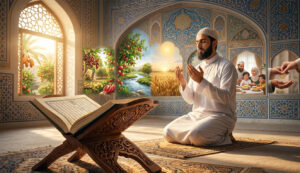
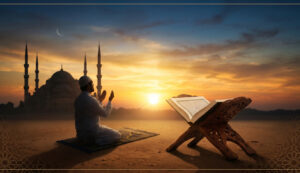
Muslims pray five times a day. This practice helps them stay connected with Allah throughout the day. The prayers include positions like standing, bowing, and prostrating, all of which remind Muslims of their devotion to Allah. These prayers are an important part of a Muslim’s daily life.
3. Zakat (Charity)
Zakat is the practice of giving a portion of one’s wealth to those in need. It is usually 2.5% of one’s savings. This pillar helps purify wealth and teaches Muslims the importance of helping others, especially the poor.
4. Sawm (Fasting)
During the month of Ramadan, Muslims fast from dawn to sunset. This means they do not eat or drink during the day. Fasting teaches self-control, patience, and empathy for those who are less fortunate. Ramadan is also a time for spiritual reflection and increased devotion to Allah.
5. Hajj (Pilgrimage)
Hajj is a pilgrimage to Mecca, the holy city of Islam. Every Muslim who is physically and financially able must perform Hajj at least once in their lifetime. It is a time for Muslims to seek forgiveness and to show unity with other Muslims from around the world.
Daily Rituals in Islam
Muslims have daily rituals that keep them connected with Allah and help them stay spiritually clean.
Ablution (Wudu)
Before prayers, Muslims wash certain parts of their body to ensure they are spiritually pure. This washing, known as Wudu, involves washing the hands, face, arms, and feet. It is a simple act that reminds Muslims of cleanliness and their connection to Allah.
Recitation of the Quran
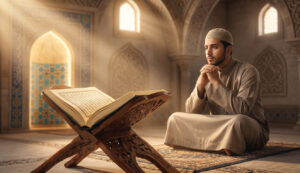
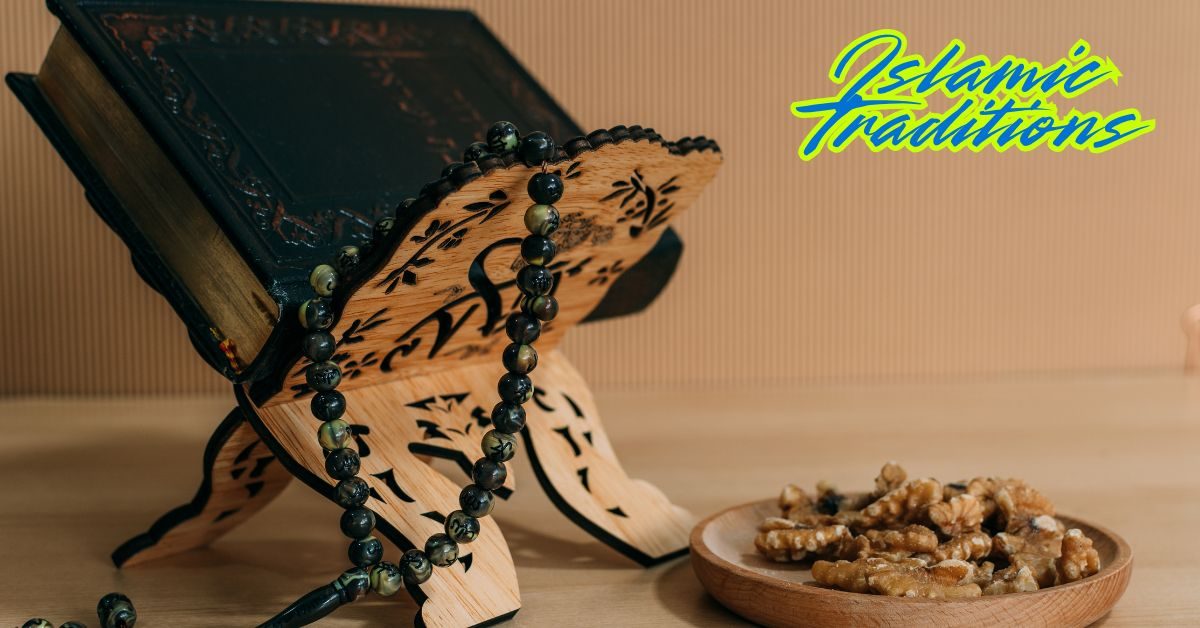
The Quran is the holy book of Islam, and many Muslims read or listen to its verses every day. The Quran offers guidance on how to live a righteous life. Muslims often recite parts of the Quran during prayers, but many also choose to read it outside of prayer to deepen their understanding.
Dua (Supplication)
Dua is a personal prayer that Muslims make to Allah. It can be for anything, from asking for guidance to seeking help in times of trouble. Muslims believe that making Dua brings them closer to Allah and strengthens their faith.
Cultural Expressions in Islam
Islamic traditions also shape the culture, art, and way of life for Muslims around the world.
Islamic Art and Architecture
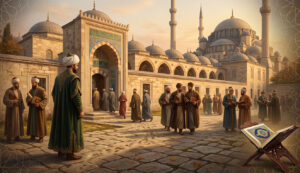
Islamic art and architecture are known for their beauty and intricate designs. Mosques are often decorated with beautiful calligraphy, geometric patterns, and domes. The designs are meant to reflect the greatness of Allah and the beauty of the Islamic faith.
Literature
Muslim literature includes famous works like “One Thousand and One Nights” and the poetry of Rumi. These stories and poems have deep meanings and often explore themes of love, faith, and spirituality.
Music and Dance
In some parts of the Muslim world, music and dance are used as a way to express spiritual devotion. Sufi music, for example, is used to connect with Allah and achieve spiritual closeness through rhythm and chanting.
Festivals and Celebrations
Islamic festivals are an important part of Islamic traditions. They provide a time for Muslims to come together in celebration and reflection.
Eid al-Fitr
Eid al-Fitr marks the end of Ramadan. After a month of fasting, Muslims celebrate with family and friends, enjoying festive meals and giving gifts. It is a time of happiness and gratitude to Allah.
Eid al-Adha
Eid al-Adha is the festival of sacrifice. It commemorates the willingness of Prophet Ibrahim (Abraham) to sacrifice his son in obedience to Allah. Muslims around the world sacrifice animals, such as goats or cows, and share the meat with those in need.
Mawlid al-Nabi
Mawlid al-Nabi celebrates the birth of the Prophet Muhammad (peace be upon him). It is a time for Muslims to reflect on the life and teachings of the Prophet, and many hold gatherings to honor him.
Ethical and Social Guidelines
Islam also provides guidelines on how Muslims should behave in society and interact with others.
Modesty
Modesty is an important part of Islam. This includes dressing modestly, speaking kindly, and behaving in a way that reflects respect for others. Muslims are encouraged to maintain modesty in their actions and words.
Dietary Laws
Muslims follow dietary laws that include avoiding certain foods like pork and alcohol. They are also encouraged to eat halal food, which is food that has been prepared according to Islamic guidelines.
Family and Social Relations
In Islam, family is highly valued. Muslims are taught to respect their parents, take care of their children, and maintain strong ties with their relatives. Kindness and respect for others are essential parts of the Muslim way of life.
Islamic Traditions in the Modern World
Even though Islamic traditions have been around for over 1,400 years, they continue to play an important role in the lives of Muslims today. While traditions may differ from country to country, the core practices and beliefs remain the same. Many Muslims today strive to keep these traditions alive while adapting them to the modern world.
Conclusion
Islamic traditions shape the lives of Muslims in many ways. From the Five Pillars of Islam to cultural practices, festivals, and ethical guidelines, these traditions guide Muslims in their faith and daily actions. Whether it’s through prayer, charity, or spending time with family, Islamic traditions help Muslims stay connected to Allah and to one another.
By following these traditions, Muslims are reminded of their faith, their purpose in life, and their responsibility to others.