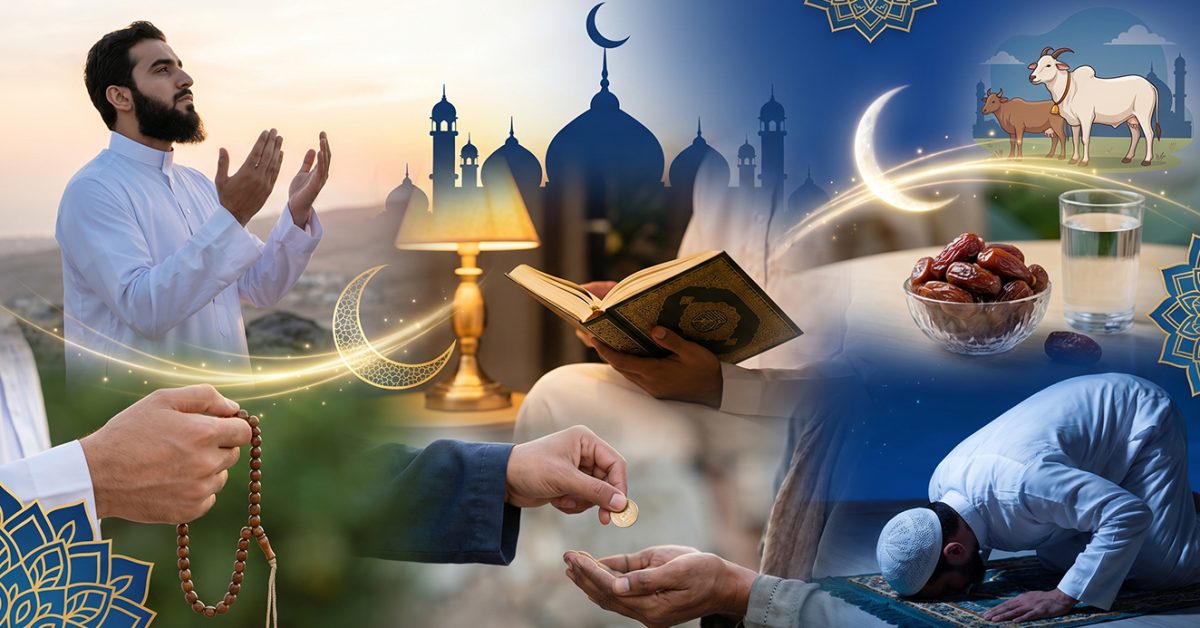
The first 10 days of Dhul Hijjah are among the most sacred and spiritually rewarding days in Islam. These blessed days are loved by Allah سبحانه وتعالى and hold immense opportunities for worship, forgiveness, mercy, and spiritual growth. Muslims around the world increase their ibadah, fasting, dua, charity, Quran recitation, and remembrance of Allah during these powerful days.
The Prophet Muhammad ﷺ said:
“There are no days in which righteous deeds are more beloved to Allah than these ten days.”
— Sahih al-Bukhari
Whether you are preparing for Eid ul Adha, planning your Dhul Hijjah worship routine, or searching for the best Islamic acts during the first 10 days of Dhul Hijjah, this complete guide will help you maximize rewards and strengthen your connection with Allah.
In this SEO-optimized Islamic article, we’ll cover:
- Importance of the first 10 days of Dhul Hijjah
- Best deeds to do during Dhul Hijjah
- Dhul Hijjah fasting benefits
- Powerful Islamic worship habits
- Daily Islamic motivation
- Spiritual preparation for Eid ul Adha
- Best Islamic practices for Muslims worldwide
Why Are the First 10 Days of Dhul Hijjah So Important?
The first 10 days of Dhul Hijjah are considered the best days of the year in Islam. These are days of worship, repentance, sacrifice, and remembrance of Allah.
Allah سبحانه وتعالى swears by these days in the Quran:
“By the dawn; and by the ten nights.”
— Surah Al-Fajr (89:1-2)
Islamic scholars explain that these “ten nights” refer to the first 10 days of Dhul Hijjah.
Unlike Ramadan, where nights are emphasized, Dhul Hijjah highlights the greatness of the days themselves.
These blessed days include:
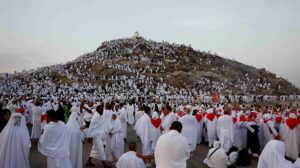
- The Day of Arafah
- Eid ul Adha
- Qurbani (Udhiya)
- Hajj pilgrimage in Makkah
For Muslims unable to perform Hajj, these days still provide enormous opportunities to gain rewards through worship and good deeds.
1. Fast During the First 10 Days of Dhul Hijjah
One of the best acts of worship during Dhul Hijjah is fasting.
Fasting during these days brings immense spiritual rewards and purification of the soul.
Benefits of Fasting in Dhul Hijjah
Muslims searching for:
- “Benefits of fasting in Dhul Hijjah”
- “Dhul Hijjah fasting rewards”
- “Best fasting days in Islam”
should know that fasting on the Day of Arafah is especially powerful.
The Prophet ﷺ said:
“Fasting the Day of Arafah expiates the sins of the previous year and the coming year.”
— Sahih Muslim
Fasting helps:
- control desires,
- strengthen discipline,
- purify the heart,
- and increase taqwa.
Even if you cannot fast all 9 days, try your best to fast:
- Mondays and Thursdays,
- or at minimum the Day of Arafah.
2. Increase Dhikr (Remembrance of Allah)
One of the most important Islamic practices during Dhul Hijjah is increasing dhikr.
These blessed days are ideal for:
- Tasbeeh,
- Takbeer,
- Tahmeed,
- and Tahleel.
Best Dhikr for Dhul Hijjah
Repeat frequently:
- SubhanAllah
- Alhamdulillah
- Allahu Akbar
- La ilaha illAllah
Especially recite:
“Allahu Akbar, Allahu Akbar, La ilaha illAllah, Allahu Akbar wa lillahil hamd.”
This dhikr fills the heart with peace and keeps the tongue busy in remembrance of Allah.
Muslims around the world increase Takbeer loudly before Eid ul Adha as part of the Sunnah.
3. Make Lots of Dua
Dua is one of the greatest forms of worship in Islam.
The first 10 days of Dhul Hijjah are perfect for:
- asking Allah for forgiveness,
- making dua for family,
- seeking halal rizq,
- praying for guidance,
- and asking for Jannah.
Best Duas to Make During Dhul Hijjah
Ask Allah for:
- forgiveness,
- mercy,
- emotional healing,
- righteous spouse,
- protection from Hellfire,
- success in dunya and akhirah.
Especially during the Day of Arafah, make sincere dua with complete humility.
4. Practice Gratitude
Gratitude is one of the most beautiful qualities in Islam.
Allah says in the Quran:
“If you are grateful, I will surely increase you.”
— Surah Ibrahim (14:7)
During Dhul Hijjah:
- thank Allah for your health,
- your family,
- your iman,
- your rizq,
- and every blessing you often overlook.
Ways to Practice Gratitude
- Keep a gratitude journal
- Pray extra salah
- Say “Alhamdulillah” often
- Help others
- Reflect on Allah’s blessings
Gratitude increases barakah and strengthens emotional peace.
5. Volunteer and Help Others
Helping others is among the best Islamic deeds.
Many Muslims search:
- “Good deeds in Dhul Hijjah”
- “Islamic charity ideas”
- “How to earn rewards in Dhul Hijjah”
One powerful answer is serving humanity.
Ways to Volunteer During Dhul Hijjah
- Feed the poor
- Help your community
- Support Islamic charities
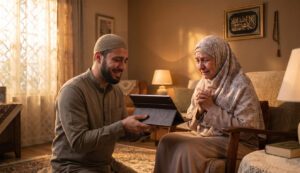
- Assist elderly people
- Share Islamic knowledge
- Help struggling families
The Prophet ﷺ loved acts of kindness and mercy toward people.
Even small acts carry huge rewards in these sacred days.
6. Give Charity (Sadaqah)
Sadaqah during Dhul Hijjah multiplies rewards tremendously.
Giving charity purifies wealth and softens the heart.
Best Forms of Sadaqah
- Feeding hungry people
- Donating Quran copies
- Sponsoring orphans
- Supporting masjids
- Water charity
- Helping widows and needy families
The beauty of charity is that it benefits both:
- the giver,
- and the receiver.
Even a small donation can become a means of protection on the Day of Judgment.
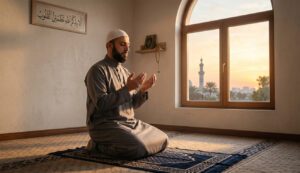
7. Pray Tahajjud
Tahajjud is one of the most spiritually transformative acts in Islam.
Waking up before Fajr to pray connects the heart deeply with Allah.
Why Tahajjud Matters During Dhul Hijjah
The last third of the night is when Allah’s mercy descends.
During these blessed nights:
- make dua,
- cry to Allah,
- ask for forgiveness,
- and pray for your dreams and akhirah.
Tahajjud strengthens sincerity and brings inner peace.
Even praying just 2 rak’ahs sincerely can change your relationship with Allah.
8. Reflect and Self-Evaluate
Dhul Hijjah is not only about external worship — it’s also about inner transformation.
Take time to reflect on:
- your relationship with Allah,
- your salah,
- your character,
- your habits,
- and your life goals.
Questions to Ask Yourself
- Am I closer to Allah than last year?
- What sins do I need to leave?
- How can I improve my worship?
- What kind of Muslim do I want to become?
Reflection leads to growth and spiritual clarity.
9. Learn More About Islam
Seeking Islamic knowledge is among the greatest acts of worship.
Use these days to:
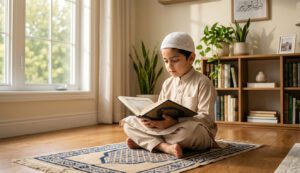
- study Quran,
- listen to Islamic lectures,
- learn Hadith,
- understand Dhul Hijjah virtues,
- and increase beneficial knowledge.
Islamic Topics to Learn During Dhul Hijjah
- Story of Prophet Ibrahim عليه السلام
- Meaning of sacrifice in Islam
- Importance of Tawheed
- Hajj rituals
- Day of Arafah virtues
- Sunnah practices
Knowledge strengthens iman and improves worship quality.
10. Offer Udhiya (Qurbani)
One of the most significant acts during Eid ul Adha is offering Udhiya (Qurbani).
This Sunnah honors the sacrifice of Prophet Ibrahim عليه السلام and his obedience to Allah.
Importance of Qurbani in Islam
Qurbani teaches:
- sacrifice,
- sincerity,
- obedience,
- and gratitude.
The meat is distributed among:
- family,
- friends,
- and the needy.
This spreads joy and unity within the Muslim community.
Best Daily Routine for the First 10 Days of Dhul Hijjah
Here is a simple Islamic productivity routine:
Morning
- Pray Fajr on time
- Read Quran
- Morning adhkar
- Make dua
Afternoon
- Fast if possible
- Give sadaqah
- Listen to Islamic lectures
Evening
- Pray extra nawafil
- Increase dhikr
- Reflect and journal
Night
- Pray Tahajjud
- Make heartfelt dua
- Seek forgiveness
Consistency matters more than perfection.
Powerful Dhul Hijjah Search Keywords Muslims Commonly Look For
This guide covers many popular Islamic search topics including:
- first 10 days of Dhul Hijjah
- best deeds in Dhul Hijjah
- Dhul Hijjah fasting rewards
- Day of Arafah duas
- Eid ul Adha preparation
- Islamic worship guide
- Dhul Hijjah acts of worship
- best Islamic reminders
- spiritual preparation for Eid
- good deeds in Islam
- Islamic productivity tips
- how to worship in Dhul Hijjah
Final Reminder: Don’t Waste These Blessed Days
The first 10 days of Dhul Hijjah are a gift from Allah.
These days pass quickly, but their rewards can impact your akhirah forever.
Use them to:
- reconnect with Allah,
- increase worship,
- heal spiritually,
- and transform your heart.
You do not need perfection.
You only need sincerity.
Perhaps one sincere dua…
one tear in Tahajjud…
one hidden act of charity…
or one moment of repentance…
could become the reason Allah forgives you completely.
May Allah accept our fasting, duas, charity, worship, and sacrifices during these blessed days of Dhul Hijjah. May He grant us forgiveness, mercy, barakah, and Jannatul Firdaus. Ameen.